Practice Units: Family Systems Perspective to Guide Practice with families experiencing illness

Practice Units (established for education, research and/or service) where a Family Systems approach is used to guide practice with families experiencing illness: Read More >>

5 Hot Tips for Writing Therapeutic Letters

Therapeutic letters were first introduced to the world of clinical practice with families by the creative clinical work of David Epston of New Zealand and the late Michael White of Australia (Epston, 1994; White, 1995; White & Epston, 1990). My colleagues, students, and I have used this intervention in our practice with families experiencing serious illness (Bell, Moules, & Wright, 2009). Together as a clinical team, we have written hundreds of therapeutic letters.

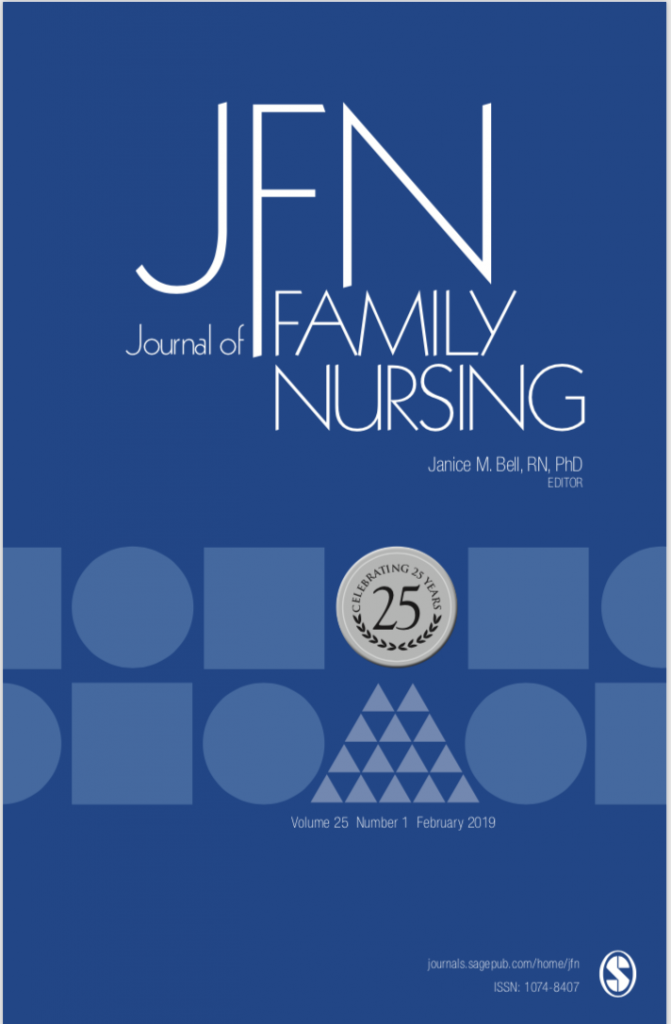
A recent special issue on Therapeutic Letters* has been published in the February 2009 issue of the Journal of Family Nursing* which features the doctoral thesis of Dr. Nancy Moules, whose research I supervised. David Epston called Nancy’s article in this special issue, “The Past and Future of Therapeutic Letters…”, the “best paper ever written on the subject”. She conducted the first known study in the world which examined therapeutic letters. Nancy’s findings (see references below) suggest that letters have substantial influence and value for clients who receive them as a part of their clinical work, and that they make a significant contribution in therapeutic change and healing of suffering. “Nancy’s research also suggested ways in which the writing of letters might be more effective than other ways, offering guidelines rather than a template to the application of their use. From her research and from our practice with families, here are 5 tips for writing a therapeutic letter:

  1. Begin by offering commendations to individual family members and/or to the family as a whole (commendations highlight strengths and competencies).
  2. Acknowledge the illness suffering of family members (Nancy borrowed a term from William James and called this “hearing the cries of the wounded”).
  3. Highlight particular words, ideas, or recommendations that stood out from the therapeutic conversation to give them added emphasis.
  4. Ask interventive questions to extend the therapeutic conversation.
  5. Highlight what you are learning from the family or are learning from your work with them.

Examples of several types of therapeutic letters are highlighted in the special issue on Therapeutic Letters, Journal of Family Nursing*. Special free access to this Journal of Family Nursing special issue is available until July 2009.

Additional examples of therapeutic letters are included in my new co-authored book: Wright, L.M., & Bell, J.M. (2009). Beliefs and illness: A model for healing. Calgary, Alberta, Canada: 4th Floor Press.

References:

Bell, J.M., Moules, N.J., & Wright, L.M. (2009). Therapeutic letters and the Family Nursing Unit: A legacy of advanced nursing practice. Journal of Family Nursing, 15(1), 6-30.

Moules, N.J. (2000). Nursing on paper: The art and mystery of therapeutic letters in clinicalwork with families experiencing illness. Unpublished doctoral thesis. University of Calgary, Calgary, Alberta, Canada.

Moules, N.J. (2002). Nursing on paper: Therapeutic letters in nursing practice. Nursing Inquiry, 9(2), 104-113.

Moules, N.J. (2003). Therapy on paper: Therapeutic letters and the tone of relationship. Journal of Systemic Therapies, 22(1), 33-49.

Moules, N.J. (2009). Therapeutic letters in nursing: Examining the character and influence of the written word in clinical work with families experiencing illness. Journal of Family Nursing, 15(1), 31-49.

Moules, N.J. (2009). The past and future of therapeutic letters: Family suffering andhealing words. Journal of Family Nursing, 15(1), 102-111.

Janice M. Bell, RN, PhD

Illness Beliefs Model – A new book

“I am always saying to myself; that’s not right yet. You can do it better – it’s rare when I can prevent myself from taking the thing up again… X number of times, the same thing. Sometimes, it becomes an absolute obsession. But for that matter, why would anyone work, if not for that? To express the same, but express it better. It’s always necessary to seek for perfection. Obviously, for us, this work no longer has the same meaning. To me, it means: from one canvas to the next, always go further, further… ” Pablo Picasso

I’m thrilled to announce the writing of my new co-authored book about the Illness Beliefs Model is finally FINISHED! My co-author, Dr. Lorraine Wright, and I are now working through the final publishing details and the book will be coming to a bookstore near you in June 2009. Picasso’s words above capture the angst of “letting go” of one’s creation–always hoping to make it better, re-working and re-organizing the ideas and words to make them easier to grasp. The new book will be launched at the 9th International Family Nursing Conference in Reykjavik, Iceland.

Wright, L.M., & Bell, J.M. (2009). Beliefs and illness: A model for healing. Calgary, Alberta, Canada: 4th Floor Press.

A compassion centered approach to illness suffering for health care professionals and families

What you believe affects your illness and your relationships. Serious illness and loss often invites suffering in individuals and families that is not adequately addressed by health care providers.

The Illness Beliefs Model highlights the connections between beliefs, illness, and suffering.

Key ideas of the Illness Beliefs Model:

  • Illness is a family affair.
  • Serious illness frequently changes one’s life and relationships forever.
  • Beliefs of the ill person, of family members, and of health care providers intersect to invite suffering or invite healing.
  • Talking about illness suffering can be healing.
  • Therapeutic conversations can soften suffering and help those who are experiencing serious illness move from despair towards courage, from inadequacy towards strength, and from disconnection towards a re-awakening of love with those who matter most.

Janice M. Bell, RN, PhD

.

Family-Focused Clinical Scholarship

What is clinical scholarship, you ask? It is a form of knowledge creation that focuses on being immersed in clinical practice, observing practice, analyzing practice, and synthesizing what you have learned from practice (Bell, 2003, Diers, 1995). It is not formal research per se, but a distant cousin; recognized as a form of scholarship but undervalued–even within practice professions like nursing.

For 25 years, the Family Nursing Unit (FNU) at the University of Calgary provided a place where family-focused clinical scholarship was valued and encouraged (Bell, 2008; Bell & Wright, 2007). A clinical team of faculty and graduate students offered therapeutic conversations to families experiencing serious illness. The structure of clinical sessions was based on a variation of the five part session first suggested by the Milan Family Therapy Team (Tomm, 1984): 1) a pre session conversation between the clinical team members; 2) the clinical therapeutic conversation between the family and the clinician; 3) an intersession, in the form of offering a “reflecting team” (Andersen, 1991) where the family observed the clinical team members discuss their observations and reflections amongst themselves; 4) a concluding conversation between the family and the clinician; and 5) a post session conversation between the clinical members. The nurse clinicians for the family were faculty members, doctoral nursing students, or second year masters nursing students, and all family sessions received live supervision by a faculty member. All clinical sessions, as well as the clinical team’s pre and post sessions, were videotaped and archived after consent was obtained from family members and students.

This context provided an incredibly rich learning environment that provided all of the key ingredients for clinical scholarship to flourish: immersion in clinical practice with families, opportunities to observe and analyze the therapeutic conversation occurring between the family and the clinician/clinical team; and a quest to share our evolving understanding of family nursing practice through the publication of books, journal articles, etc. (See my new Favorites section at www.janicembell.com)

The Illness Beliefs Model, Trinity Model, and the Calgary Family Assessment and Intervention Models are all products of family-focused clinical scholarship. The FNU closed in December 2007 and recent publications (2008-2009) written by former graduate students and/or faculty highlight a continuing legacy of clinical scholarship about practice with families:

Bell, J.M., Moules, N.J., & Wright, L.M. (2009). Therapeutic letters and the Family Nursing Unit: A legacy of advanced nursing practice. Journal of Family Nursing, 15(1), 6-30.

Bell. J.M. (2008). The Family Nursing Unit, University of Calgary: Reflections on 25 years of clinical scholarship (1982-2007) and closure announcement [Editorial]. Journal of Family Nursing, 14(3), 275-288.

Boyd, M.A., & Houger Limacher, L. (2008). Famiily assessment and intervention. In W. Austin & M.A. Boyd (Eds.), Psychiatric care for Canadian practice (pp. 270-286). Philadelphia: Lippincott Williams & Wilkins.

Duhamel, F., Dupuis, F., Wright, L.M. (in press). Families’ and nurses’ responses to the “One Question Question”: Reflections for clinical practice, education, and research in family nursing. Journal of Family Nursing.

Fast Braun, V., Hyndman, K., & Foster, C. (in press). Family nursing for undergraduate nursing students: The Brandon University Family Case Model approach. Journal of Family Nursing.

Flowers, K., St. John, W., & Bell, J.M. (2008). The role of the clinical laboratory in teaching and learning family nursing skills. Journal of Family Nursing, 14(2), 242-267.

Harper-Jaques, S., McElheran, N., Slive, A., & Leahey, M. (2008). A comparison of two approaches to the delivery of walk-in single session mental health therapy. Journal of Systemic Therapies, 27(4), 40-53.

Houger Limacher, L. (2008). Locating relationships at the heart of commending practices. Journal of Systemic Therapies, 27(4), 90-105.

Marshall, A.J., & Harper-Jaques, S. (2008). Depression and family relationships: Ideas for healing. Journal of Family Nursing, 14(1), 56-73.

McLeod, D.L., & Wright, L.M. (2008). Living the as-yet unanswered: Spiritual care practices in Family Systems Nursing. Journal of Family Nursing, 14(1), 118-141.

Moules, N.J. (2009). Therapeutic letters in nursing: Examining the character and influence of the written word in clinical work with families experiencing illness. Journal of Family Nursing, 15(1), 31-49.

Moules, N.J. (2009). The past and future of therapeutic letters: Family suffering and healing words. Journal of Family Nursing, 15(1), 102-111.

Moules, N.J., & Simonson, K. (in press). Following in behind: An interview with the Reverend Bob Glasgow on his practice with grief work. Illness, Crisis, & Loss.

Moules, N.J. (in press). A parent’s worst nightmare: Grief, families, and the death of a child. Journal of Relational Child and Youth Care Practice.

Moules, N.J., MacLeod, M., Thirsk, L.M, & Hanlon, N. (in press). “and then you’ll see her in the grocery store”: The working relationships of public health nurses and high priority families in northern communities. Journal of Pediatric Nursing.

Slive, A., McElheran, N., & Lawson, A. (2008). How brief does it get? Walk-in single session therapy. Journal of Systemic Therapies, 27(4), 5-22.

Wright, L.M. (2008). Softening suffering through spiritual care practices: One possibility for healing families. Journal of Family Nursing, 14(4), 394-411.

Wright, L.M., & Bell, J.M. (in press). Beliefs and illness: A model for healing. Calgary, Alberta, Canada: 4th Floor Press.

Wright, L.M., & Leahey, M. (2009). Nurses and families: A guide to family assessment and intervention (5th ed.). Philadelphia: F.A. Davis.

******

If you have any publications that have used the “Calgary Practice Models” as a clinical model or as a conceptual framework in your research (including the Calgary Family Assessment Model, Calgary Family Intervention Model, Illness Beliefs Model, or the Trinity Model) please email me so that we can add your publication(s) to our database.

Janice M. Bell, RN, PhD

If you’re new here, you may want to subscribe to my RSS feed. Thanks for visiting!